New European project strengthens fuel cell value chain through advanced composite bipolar plate manufacturing
Press Release -
The AIM-PLATES project aims to accelerate the industrialisation of sustainable manufacturing of composite bipolar plates for hydrogen fuel cells, reducing Europe’s dependence on external supply chains for key fuel-cell components while enabling lighter, more cost-effective systems.
As Europe accelerates its transition towards climate neutrality, hydrogen fuel cells are set to play a growing role in decarbonising transport, industry and energy systems. However, their large-scale uptake is still constrained by supply chain dependencies and manufacturing limitations affecting key components.
Consequently, the AIM-PLATES project has been launched to advance the manufacturing of next-generation composite bipolar plates (cBPPs), a key component of proton exchange membrane fuel cells (PEMFCs). Bipolar plates account for a substantial share of both the weight and cost of fuel cell stacks, making their performance and manufacturability essential for the competitiveness of the European hydrogen sector.
AIM-PLATES will develop and demonstrate innovative, robust and more controlled manufacturing routes for lightweight, durable and sustainable cBPPs. The project combines advanced materials, digitalised manufacturing processes, quality control solutions and a Safe-and-Sustainable-by-Design framework. These innovations will help improve manufacturing efficiency, reduce waste and support the future industrial deployment of composite bipolar plate technologies in Europe.
The project will validate its innovations through two complementary pilot lines built around related advanced moulding-based manufacturing routes. The first will focus on lightweight thermoplastic cBPPs for weight-sensitive applications, including aviation. The second will develop cost-effective and robust thermoset-based composite bipolar plates for commercial road vehicles and other market segments.
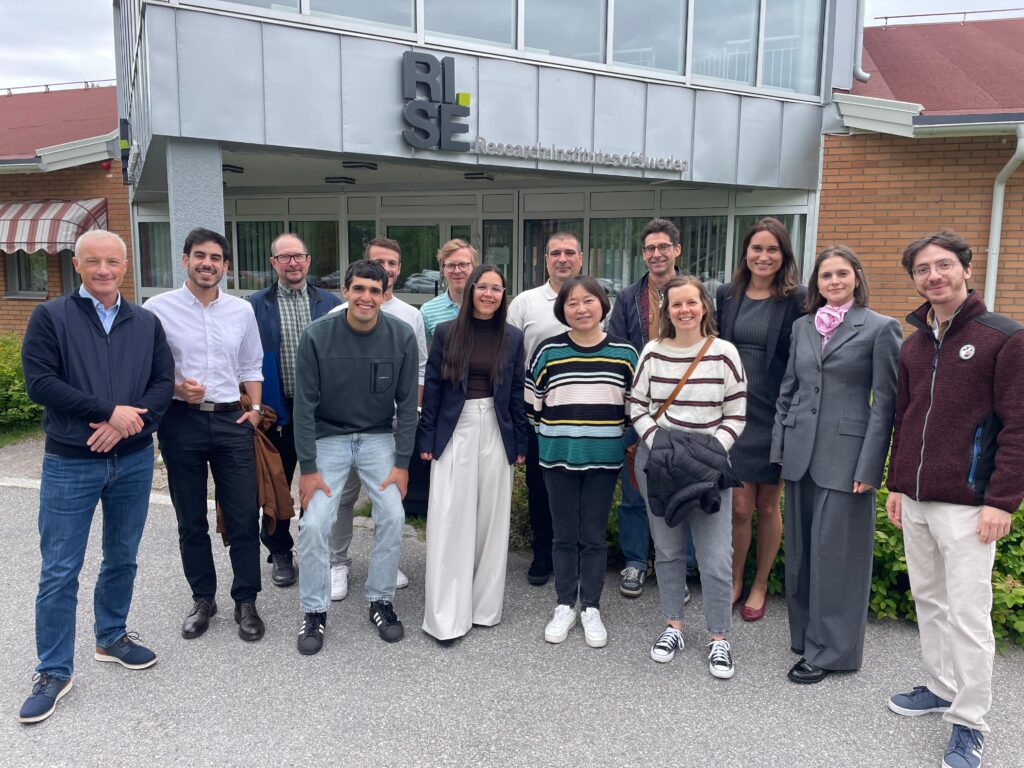
Reflecting on the project’s ambition, Guan Gong, Senior Scientist at RISE Research Institutes of Sweden and project coordinator, stated: “The challenge now is to accelerate the move beyond material innovation and translate promising technologies into scalable, robust and controlled manufacturing processes in Europe. Without this step, even advanced fuel cell technologies risk remaining at the laboratory level.”
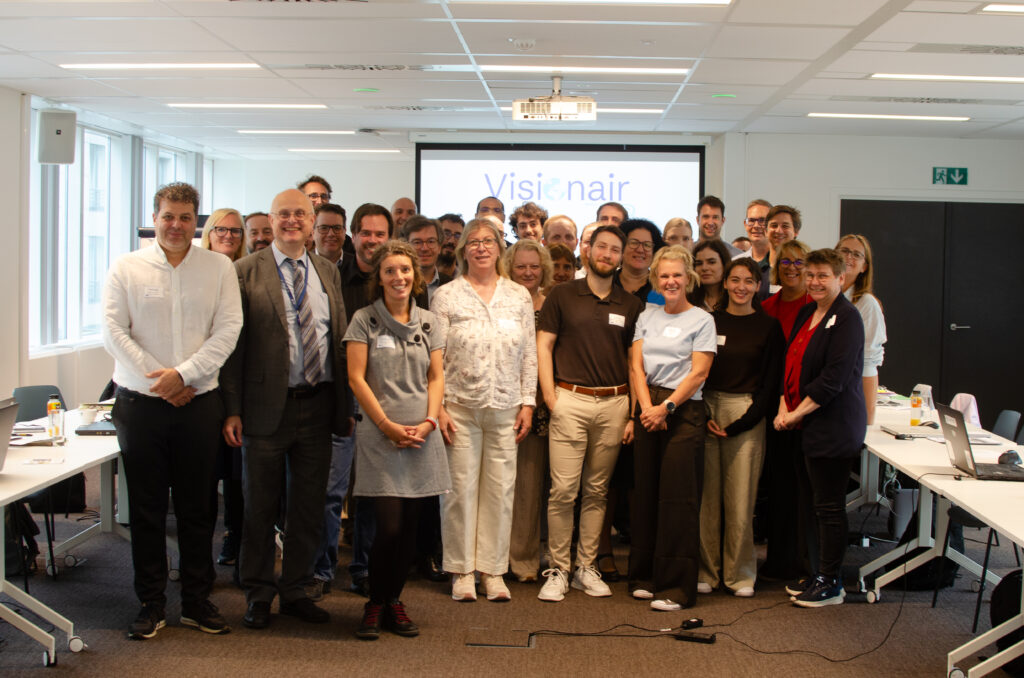
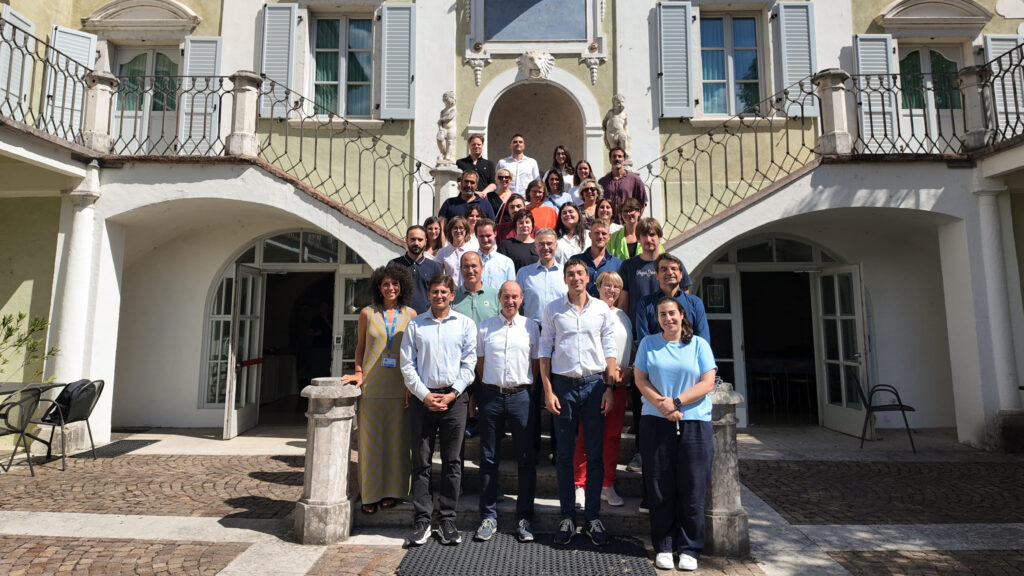
Funded by the European Union under Horizon Europe and managed by the European Health and Digital Executive Agency (HADEA), AIM-PLATES brings together 15 partners from across the continent, combining expertise in advanced materials, manufacturing technologies, quality control, digitalisation and fuel cell applications. Within the project team, ICONS is responsible for raising the project’s profile with stakeholders and ensuring innovations in composite bipolar plate technologies reach the market successfully.
“Projects such as AIM-PLATES show how working together across the entire innovation ecosystem is a must,” said Jelena Lazic, Project Management Officer at ICONS. “Our role is to ensure these results get out there, where they will have real impact. And we will make the right collisions and connections for that to happen.”
Over the next four years, the consortium will work together to establish a Made-in-Europe manufacturing pathway for advanced composite bipolar plates, strengthening Europe’s strategic autonomy and supporting their large-scale deployment.
For further information, please contact the project coordinator or communication managers listed below.
Contacts:
Project coordinator:
Guan Gong, RISE Research Institutes of Sweden, guan.gong@ri.se
Communication Managers:
Jelena Lazic, Project Management Officer, ICONS, jelena.lazic@icons.it
Davide Valenti, Communication and Outreach Officer, ICONS, davide.valenti@icons.it