
Get the report and learn more about the sector’s key dynamics
Impact in battery innovation requires more than strong science – it demands validation, real-world applicability, regulatory alignment, and early user engagement.
Europe’s battery ecosystem is evolving rapidly, shaped by new technologies, industrial scale-up, and shifting market priorities.
The report outlines key challenges and emerging technologies, and presents ICONS’ approach to maximising research impact, accelerating market uptake, and delivering lasting value across Europe’s battery value chain.

As Europe’s battery ecosystem undergoes rapid transformation, advantage will come from turning research into deployable, competitive technology.
Strategic Context
Europe’s battery ecosystem has expanded rapidly, yet the sector stands at a critical inflection point.
Production targets for 2030 may well not be reached, strategic autonomy remains fragile due to heavy dependence on non-EU processing of critical raw materials, while shortage of expert skills is projected.
The report highlights the strategic pressures and opportunities shaping Europe’s battery sector – from global production imbalances and projected oversupply to sustainability advantages, end-of-life material flows, and the gap between announced EU capacity and future demand.
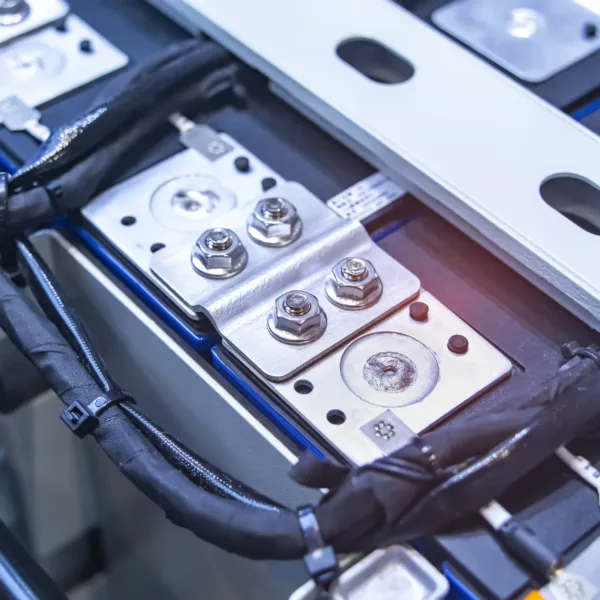
Critical Challenges & Success Factors
Europe’s battery ecosystem faces structural and market challenges that must be addressed to secure long-term competitiveness and resilience.
These challenges extend beyond technology, including manufacturing competitiveness, raw material dependency, and regulatory pressures. Addressing them requires coordinated action across workforce development, industrial alignment, circularity, investment frameworks, and digital standardisation to ensure innovation translates into resilient, scalable, and sovereign European value chains.

Strategic growth in Europe’s battery sector
Battery innovation is advancing across multiple fronts, from diverse chemistries to digital tools and design strategies, and understanding these trends is key to finding scalable, competitive, and deployment-ready solutions. The sector is also shifting from expansion-led growth to a more selective, execution-focused approach, shaped by market corrections, overcapacity, and price pressure. Success depends on cost discipline, regulatory alignment, and integration into robust European value chains.
Go deeper and discover the full report insights
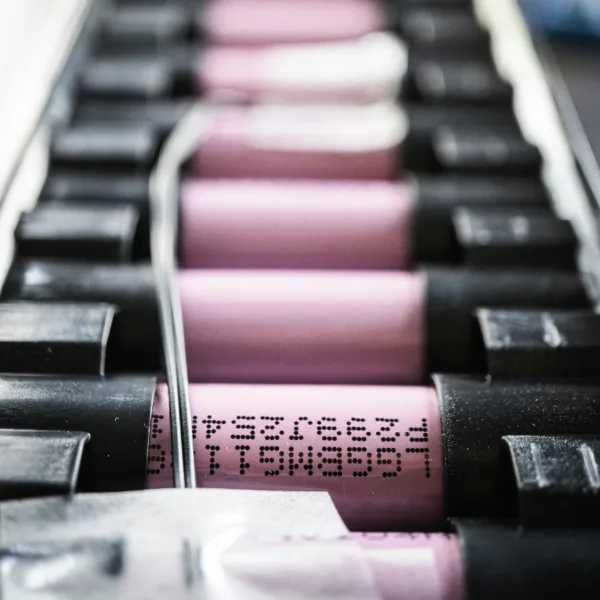

An end-to-end approach turns research into impact – accelerating the path from early ideas to solutions that create value for industry and society.
The Battery Value Chain
The playground for R&D
Exploring how research is advancing towards next-generation chemistries and technologies across the battery value chain, highlighting the growing need for effective innovation management to guide prioritisation and transition decisions, from research to validation and deployment.

ICONS' integrated R&I support across TRL levels
We enable impact by connecting knowledge, innovation and policy. ICONS supports the full research-to-market journey by shaping exploitation pathways, empowering users to drive adoption, and contributing to policy frameworks that align scientific progress with industrial and societal needs.
Across all TRLs, we ensure continuity from research to deployment through effective communication, strategic innovation exploitation, stakeholder engagement and targeted policy contributions at every stage of development.
Discover how we turn ideas into high-impact solutions
Laying the foundations for future impact.
At TRL 1–3, impact comes from building credibility, anticipating future contexts, securing early innovation readiness, and aligning research with real user needs.
Converting validation into scalable innovation.
At TRL 4–6, impact is driven by demonstrating credibility, shaping clear exploitation and scale-up pathways, engaging users for validation, and translating evidence into actionable policy guidance.
Driving deployment, adoption, and market trust.
At TRL 7–9, impact comes from proving industrial readiness, enabling scale-up and market uptake, supporting social acceptance, and translating evidence into concrete policy action.
Get the full report and discover the future of Europe’s battery sector
Sign up to receive our free report Catalysing Battery Innovation: Driving Impact Across Europe’s Battery R&D Ecosystem.
Connecting research, industry and policy to turn European battery innovation into deployment strengthening competitiveness and securing Europe’s technological sovereignty.
Where we are driving impact
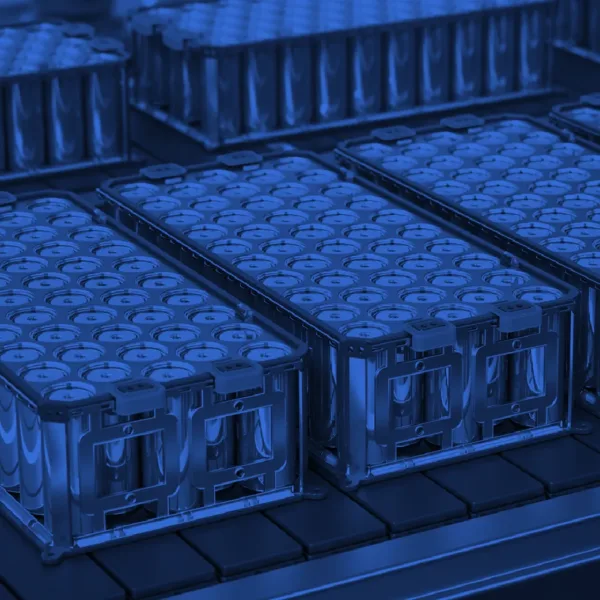
Gigafactory machinery for GEN3B Li-ion cells
Energy-efficient, digitalised, and large-scale battery cell production in next-gen gigafactories to bolster EU manufacturing capacity, reduce emissions, and strenghten industrial independence.
Explore the GIGABAT project

Digital twin & virtual testing for battery systems
Advanced digital tools and frameworks for modelling battery behaviour, ageing, and safety to shorten development time and accelerate market readiness of next-gen EU battery systems.
Explore the THOR Project
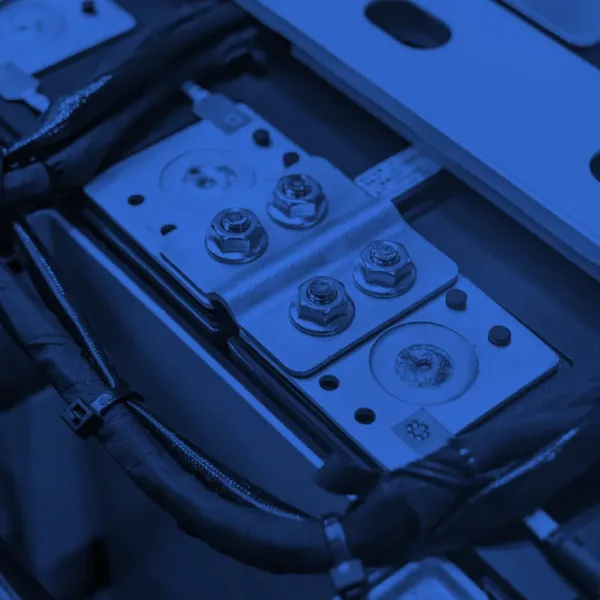
Advanced battery management systems & modelling
Hybrid physics-based and data-driven models and next-gen hardware/software for battery monitoring and control to enhance battery life, safety, and performance through a European BMS industry.
Explore the NEMO project

Sodium-ion battery technology for stationary storage
Safe, sustainable, and cost-effective Na-ion batteries using EU-sourced biobased materials, eco-friendly processes, integrated BMS and modules to enhance EU competitiveness and enable post-lithium storage.
Explore the ATENA+ project
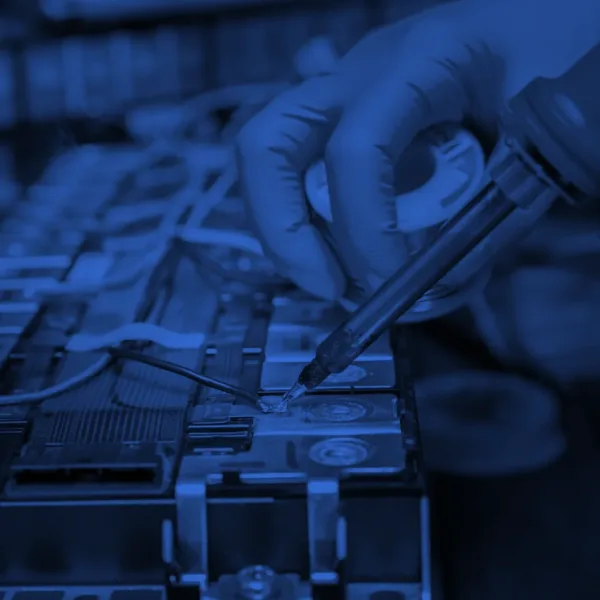
Advanced Li-ion battery recycling & recovery technologies
High-efficiency and automated dismantling, conditioning, and recycling for EoL Li-ion batteries to increase recovery yields, reduce costs and environmental impacts, and strengthen EU circular battery value chain.
Explore the REBELION project
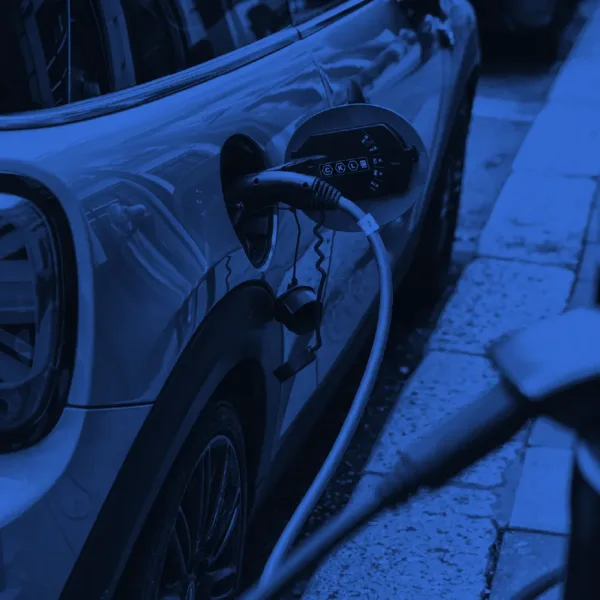
Second-Life battery modules & reuse systems
Modular systems, advanced BMS, wireless communication, robotic dismantling and refurbishment for reliable and cost-effective reuse of EV batteries to accelerate transition to a sustainable battery value chain.
Explore the REBORN project

Graphite supply chain & anode materials for Li-ion batteries
Sustainable, end-to-end EU supply chain for battery-grade graphite and carbon materials to reduce dependence on imports, enable high-performance anodes, and cut emissions in graphite production.
Explore the GR4FITE3 project